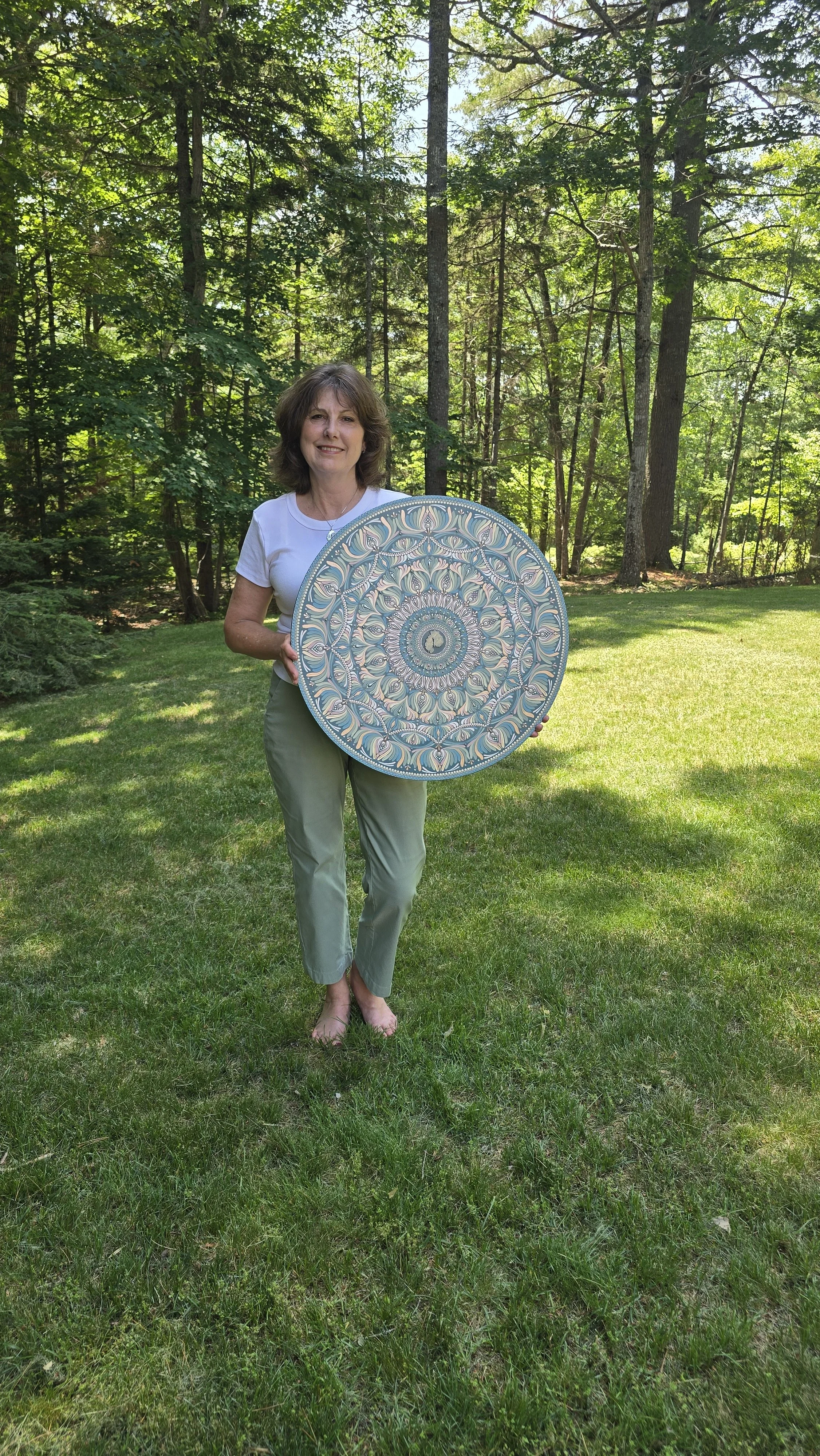
Time and Tide

Wait For None
Lynn Zaman
Turning Time Into Art
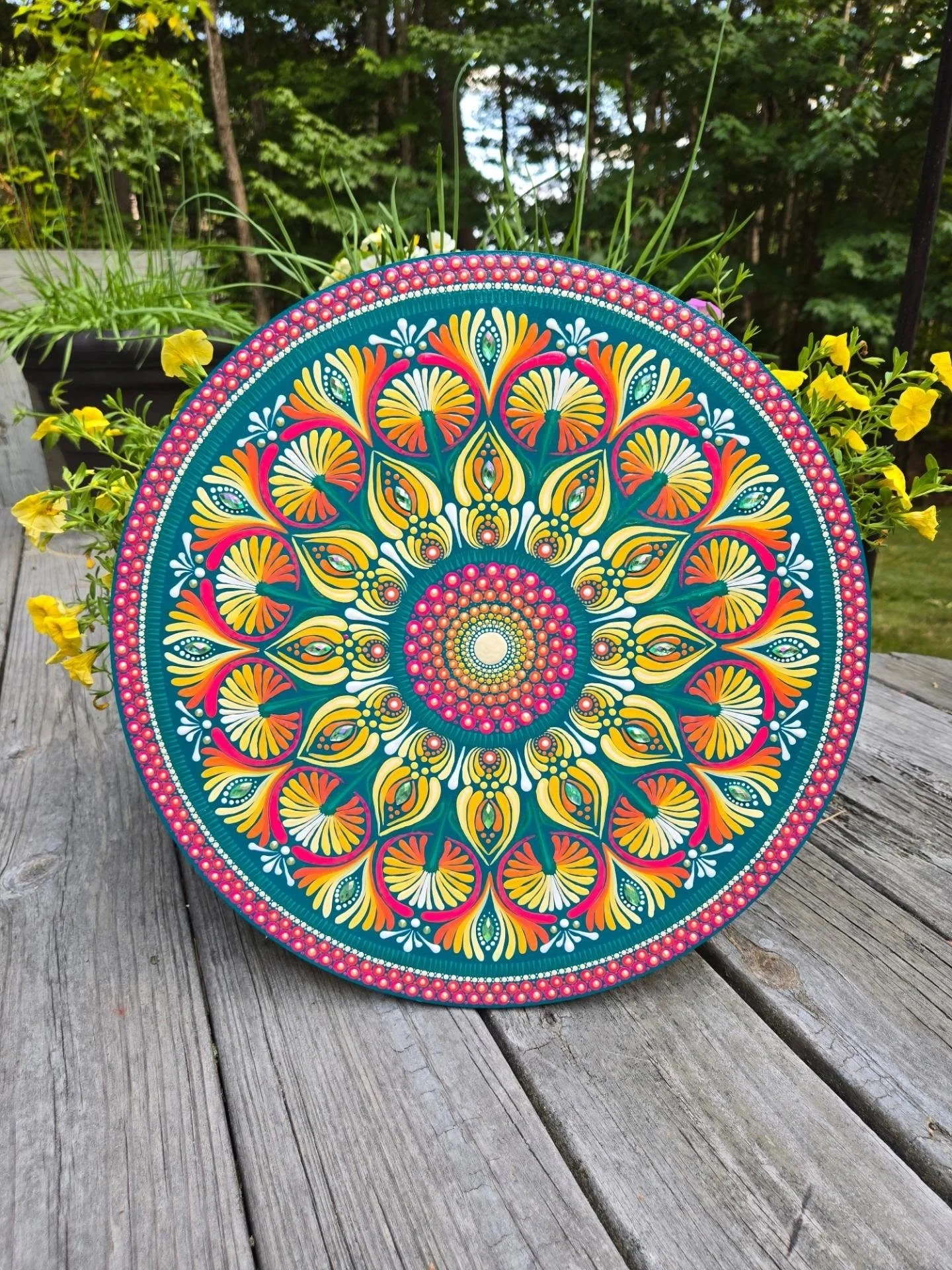
The Beauty of Mandalas
Painted mandalas are circular works of art that often evoke a sense of calm and balance inspired by repetitive designs and symmetry that radiate from a central point. The word mandala, from the ancient Sanskrit language, means "circle," symbolizing the wholeness, harmony, and interconnectedness many aspire to in life.
Rooted in ancient Hindu and Buddhist traditions, mandalas have historically served as sacred ceremonial and spiritual tools. Monks and practitioners would create intricate mandalas as part of meditation and prayer with the belief that they represent the universe, the journey toward enlightenment, or the balance between the physical and spiritual worlds. Many traditional mandalas, such as Tibetan sand mandalas, were intentionally temporary as a reminder of the impermanence of life.
Painting mandalas has expanded beyond religious origins into a contemporary art form, yet for many artists, the historic symbolism of balance and unity is still present in their work. The process of painting repetitive patterns with intention can encourage relaxation, quiet the mind, and create space for creativity and personal expression to emerge.
Whether viewed as sacred symbols, meditative practices, or decorative works of art, painted mandalas continue to connect people across cultures and generations. They invite reflection, mindfulness, and appreciation for the beauty found in balance, patterns, and personal growth. For many, they also serve as gentle reminders to slow down, be present, and find peace in the present moment.